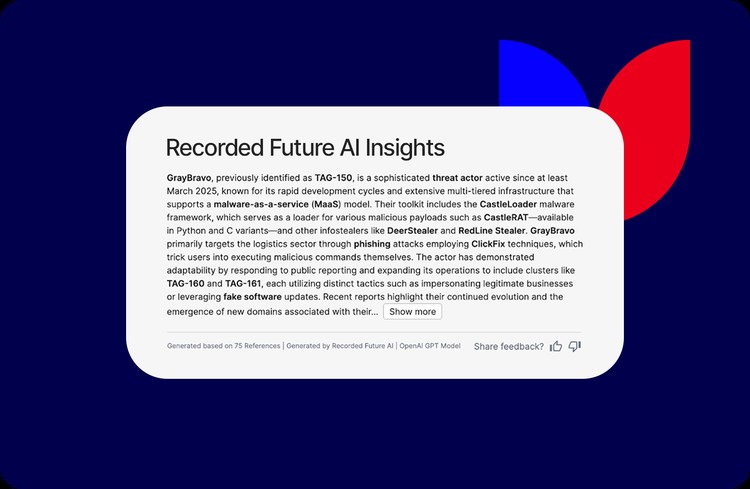
The hardest question for an AI-generated intelligence brief is deceptively simple: which evidence supports this sentence? Primer is building around that question, putting traceability into the workflow that turns large document collections into analysis.
An intelligence investor’s early bet
IQT published Primer’s strategic investment announcement in 2017. That historical relationship places Primer within the intelligence technology ecosystem. It does not establish a current ownership stake, a particular classified deployment or independent validation of its products.
The contemporary product question is narrower and more useful: can software reduce the burden of reviewing documents without making its conclusions harder to challenge?
From documents to inspectable claims
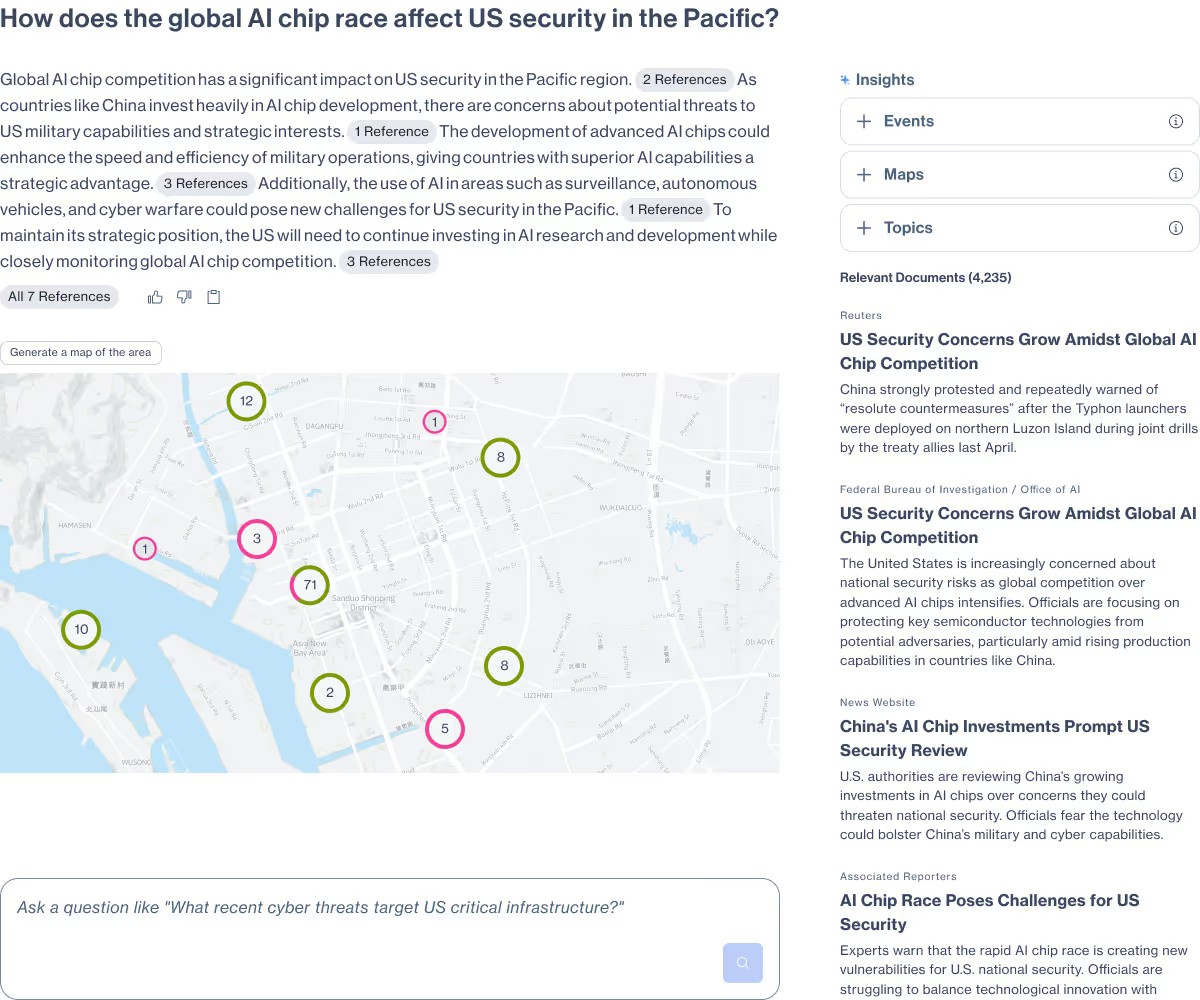
Primer describes its Delta platform as a system for searching and analyzing unstructured information, with source-grounded outputs and claim-level verification. It also describes deployment options including customer-hosted and air-gapped environments. These are vendor descriptions, not independently measured performance results.
Our assessment is that the unit of useful automation here is the supported claim. A complete report can sound convincing while containing one unsupported link that changes its meaning. Making each material statement inspectable could allow analysts to concentrate effort where uncertainty is highest.
Contradictions should survive summarization
Imagine two reports disagreeing about whether a facility is operating. A poor summary resolves the disagreement without explanation. A useful one preserves the conflict, dates both observations and shows the passages behind them. This is a hypothetical acceptance test, not a reported Primer result.
Source grounding alone does not solve it. A cited document may itself be wrong, outdated or repeating another source. Analysts still need to distinguish independent corroboration from several documents echoing one original claim.
The value is in review time
Buyers should measure the time needed to verify a brief, the rate of unsupported statements and how well the software preserves contradictory evidence. Tests should include ambiguous names, missing dates and updates that invalidate previous conclusions.
If automation cuts drafting time but doubles verification effort, the apparent gain may disappear. If it makes disputed claims easier to isolate, a modest model can still deliver substantial practical value. For intelligence teams, defensible analysis is a more consequential target than fluent prose.
What would change the assessment
Independent measurements of unsupported claims, missed contradictions and analyst review time would establish how much work the platform actually removes.
This analysis draws on the public sources linked in the text. Send corrections to [email protected].